%2Ffit-in%2F250x250%2Fguide_websites%2F4928%2Fimages%2Fwickedsaltyfishingchartershorizontalcolor.png&w=1920&q=100)
/users/1bda2e26-0b50-4158-baf7-c0179b853f83/ratecard/wickedrate1.jpg)
%2F300x300%2Fusers%2F1bda2e26-0b50-4158-baf7-c0179b853f83%2Fratecard%2Fwickedrate1.jpg&w=256&q=75)
%2F300x300%2Fusers%2F1bda2e26-0b50-4158-baf7-c0179b853f83%2Fimages%2Fsnook-fishing-st-petersburg-2576.jpg&w=256&q=75)
%2F300x300%2Fusers%2F1bda2e26-0b50-4158-baf7-c0179b853f83%2Fimages%2Fredfish-fishing-florida-2485.jpg&w=256&q=75)
%2F300x300%2Fusers%2F1bda2e26-0b50-4158-baf7-c0179b853f83%2Fimages%2Fredfish-caught-st-petersburg-2505.jpg&w=256&q=75)
%2F300x300%2Fusers%2F1bda2e26-0b50-4158-baf7-c0179b853f83%2Fimages%2Fsuccessful-fishing-excursion-in-fl-2621.jpg&w=256&q=75)
%2F300x300%2Fusers%2F1bda2e26-0b50-4158-baf7-c0179b853f83%2Fimages%2Fredfish-caught-florida-2523.jpg&w=256&q=75)
%2F300x300%2Fusers%2F1bda2e26-0b50-4158-baf7-c0179b853f83%2Fimages%2Fredfish-caught-florida-2530.jpg&w=256&q=75)
%2F300x300%2Fusers%2F1bda2e26-0b50-4158-baf7-c0179b853f83%2Fimages%2Fgrey-snapper-fishing-st-petersburg-2535.jpg&w=256&q=75)
%2F300x300%2Fusers%2F1bda2e26-0b50-4158-baf7-c0179b853f83%2Fimages%2Ffishing-st-petersburg-2671.jpg&w=256&q=75)
%2F300x300%2Fusers%2F1bda2e26-0b50-4158-baf7-c0179b853f83%2Fimages%2Fsnook-fishing-adventure-fl-2685.jpg&w=256&q=75)
%2F300x300%2Fusers%2F1bda2e26-0b50-4158-baf7-c0179b853f83%2Fimages%2Fanglers-redfish-grey-snapper-st-2694.jpg&w=256&q=75)
Top-Rated St. Petersburg Inshore Fishing Charters
 Tampa
TampaWhat you will be catching:
 Redfish
 Sea Trout
 Snook
Snook Tarpon
- 4-hour morning charter targeting snook, redfish, seatrout, and tarpon
- Designed for experienced anglers focusing on technique and results
- All tackle, bait, and licenses included with expert local guidance
Trip Pricing and Availabilities:
Half Day Morning Fishing Trip in St. Petersburg
When you're serious about targeting Tampa Bay's premier inshore species, this 4-hour morning charter with Captain Andy delivers exactly what experienced anglers are looking for. We're talking about getting after Snook, Redfish, Spotted Seatrout, and seasonal Tarpon in waters that have made St. Petersburg a top-rated fishing destination for decades. This isn't a beginner's trip – it's designed for anglers who already know their way around a rod and want to put their skills to work on some of Florida's most sought-after gamefish. You'll launch early when the fish are most active, spend quality time in productive spots, and work with a captain who knows these flats, grass beds, and structure like the back of his hand.
What to Expect on the Water
Your morning starts before sunrise, which is exactly when you want to be hitting the water for inshore fishing in Tampa Bay. Captain Andy runs a professional operation – all your gear, bait, and licenses are handled, so you can focus on what you came here to do. The early departure isn't just about beating the crowds; it's about fishing when these species are most active and feeding aggressively. You'll work a variety of spots depending on conditions – maybe starting on grass flats for Seatrout, moving to mangrove shorelines for Snook, or hitting deeper channels where Redfish patrol. With a 4-person max, there's plenty of room to work and everyone gets quality fishing time. The captain's local knowledge means you're not just casting blind – you're targeting specific structure, current breaks, and feeding zones that consistently produce fish.
Techniques and Tackle
This charter focuses on the techniques that work best for Tampa Bay's inshore species. You'll be using both live bait and artificials, depending on what the fish are telling us. Live shrimp under popping corks for Seatrout, freelined pinfish along mangrove edges for Snook, and cut bait on the bottom for Redfish are all in the playbook. When it comes to artificials, soft plastics, topwater plugs, and suspending twitch baits all have their place. Captain Andy provides quality spinning gear that's perfectly matched to the techniques and species you're targeting. The boat is rigged for serious fishing – proper rod holders, a good live well system, and a shallow draft that lets you get into the skinny water where big fish feel safe. Since this trip is geared toward experienced anglers, you'll be expected to handle your own fish, work with different presentations, and adapt your technique based on what's working.
Species You'll Want to Hook
Snook are the crown jewel of Tampa Bay inshore fishing, and for good reason. These ambush predators love structure – docks, mangroves, bridges – anywhere they can hide and wait for baitfish to swim by. They're incredibly line-shy and structure-oriented, which makes them a real challenge even for experienced anglers. The best action happens during moving water, especially around dawn when they're actively feeding. What makes Snook so special is their explosive strike and their ability to use structure to their advantage during the fight. They'll run straight for the nearest piling or mangrove root, and stopping them requires both skill and the right tackle.
Redfish are built like bulldogs and fight like them too. These copper-colored bruisers cruise the flats and edges, often in small schools, using their downturned mouths to root around for crabs and baitfish. In Tampa Bay, you'll find them year-round, but they're particularly active during cooler months when they school up in larger numbers. What anglers love about Redfish is their willingness to eat and their powerful, sustained runs. They don't jump like Tarpon or use structure like Snook – they just put their head down and pull, testing your drag and your patience.
Spotted Seatrout might not have the glamour of Snook, but they're incredibly fun to catch and great to eat. They're typically the most cooperative species you'll target, readily hitting both live and artificial baits. In Tampa Bay's grass flats, they congregate in good numbers, especially during the cooler months. Seatrout have a soft mouth, so you need to keep steady pressure without being too aggressive. Their seasonal movements are predictable – they move to deeper water when it's cold and spread out over the flats when it warms up.
Tarpon are the seasonal superstars, typically showing up in good numbers from late spring through summer. These silver kings can range from juvenile fish in the 20-30 pound class up to mature fish pushing 100 pounds or more. What makes Tarpon fishing so addictive is their aerial displays – they'll jump repeatedly, shaking their heads and gill-rattling in an attempt to throw the hook. Even smaller Tarpon are incredibly strong, and hooking one transforms your relaxing fishing trip into an all-hands-on-deck battle. They're catch-and-release only, but the experience of fighting one stays with you long after you head back to shore.
Time to Book Your Spot
This world-class morning charter gives you everything you need for a productive day targeting Tampa Bay's best inshore species. Captain Andy's local knowledge, quality gear, and focus on experienced anglers means you're getting the most out of your time on the water. Whether you're looking to improve your technique, target a specific species, or just enjoy some quality fishing with like-minded anglers, this trip delivers. The early start time, small group size, and professional approach make it a customer favorite among serious inshore enthusiasts. Tampa Bay's year-round fishery means there's always something to target, but booking ahead ensures you get your preferred dates and the best possible conditions for your St. Petersburg fishing adventure.
Learn more about the species
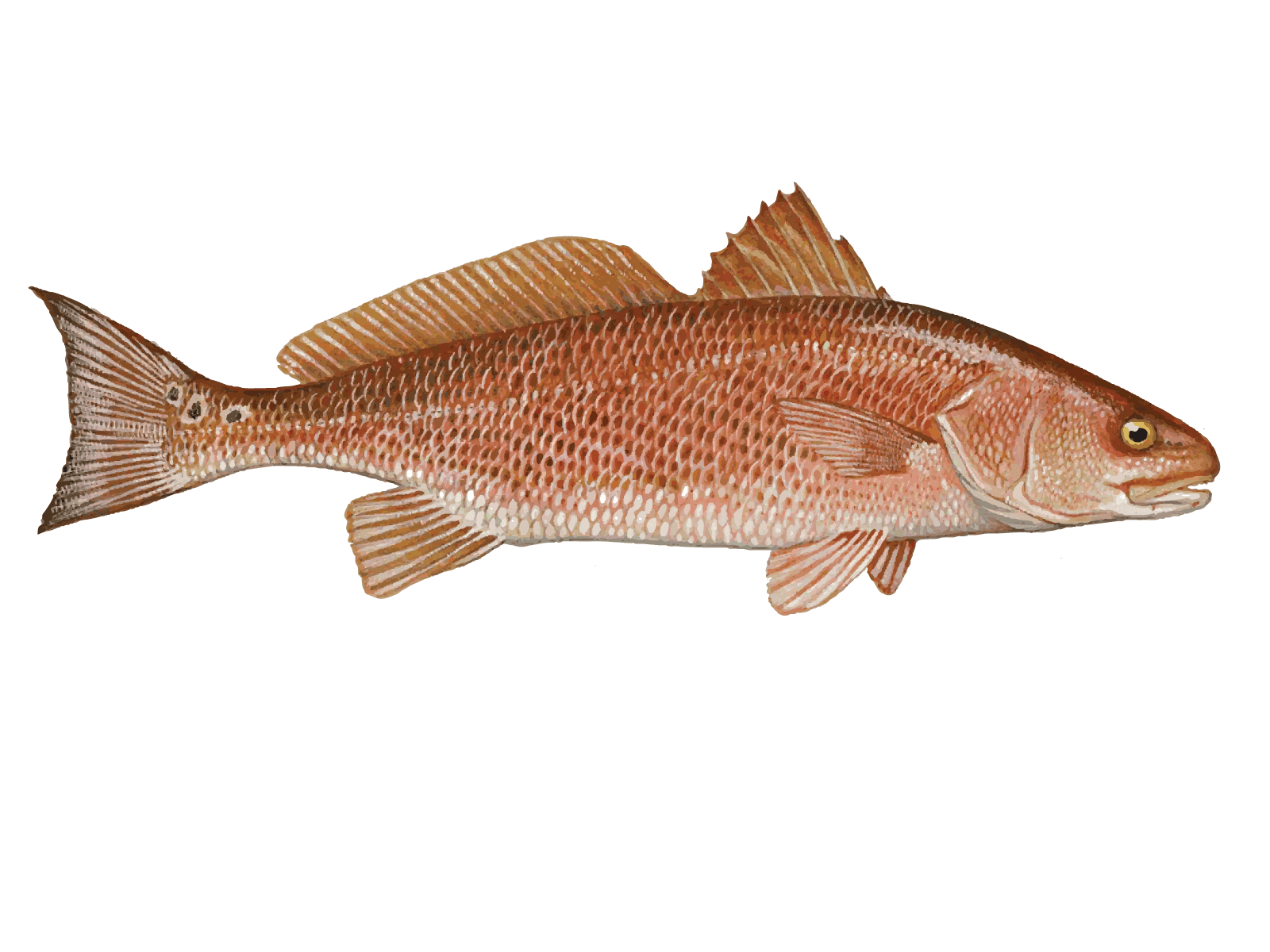
Redfish
Redfish are Tampa Bay's most visual inshore targets, running 18-32 inches with that copper-bronze color and signature black eyespot near the tail. These fish love super shallow water - we're talking 1-4 feet over grass flats, oyster bars, and mangrove edges where you can often see their backs. They feed year-round but fall and spring offer the best action when they school up. What makes reds special is the sight-fishing aspect - watching a 20-pound fish cruise the shallows and eat your lure is pure magic. They're strong fighters with serious pulling power and excellent table fare with mild, sweet meat. The key is presentation - cast well ahead of cruising fish and work your bait slowly. Spook them once and they're gone, but get it right and they'll crush topwater plugs like freight trains.
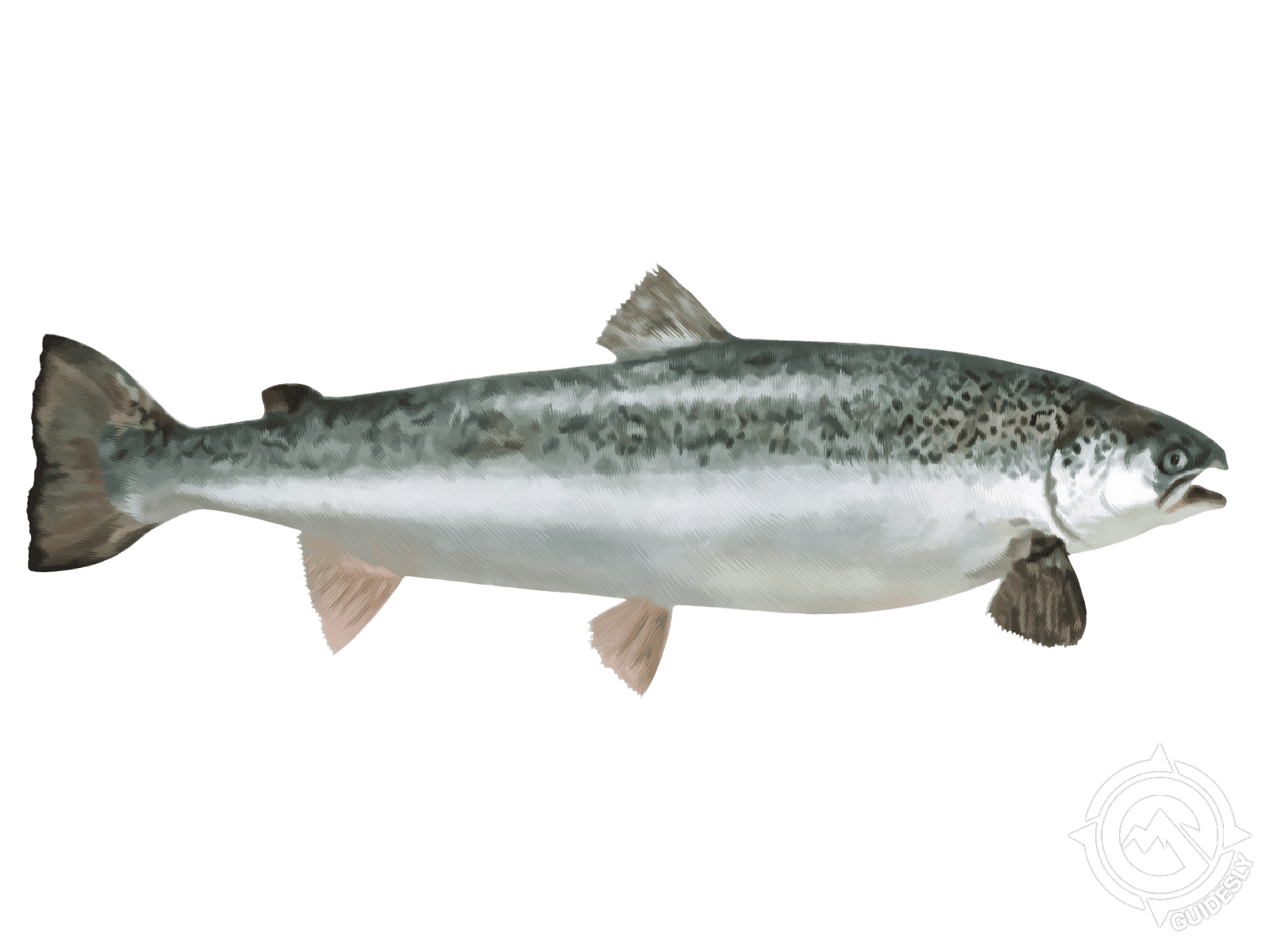
Sea Trout
Spotted seatrout, or "specks," are one of our most reliable inshore species, typically running 14-20 inches with some pushing 5+ pounds. You'll find them over grass flats and sandy bottoms in 3-15 feet of water throughout Tampa Bay. They're most active during cooler months, October through March, and bite best on low-light periods. What anglers love about trout is their willingness to hit artificials - they'll smash topwater plugs, soft plastics, and live shrimp with equal enthusiasm. They're also fantastic eating with delicate, flaky white meat. The fight is steady rather than explosive, but they make up for it in numbers and consistency. Here's a local tip: work your lures slowly over grass beds during winter months - trout school up heavy in deeper holes and channels when water temps drop, and a patient approach pays off big.
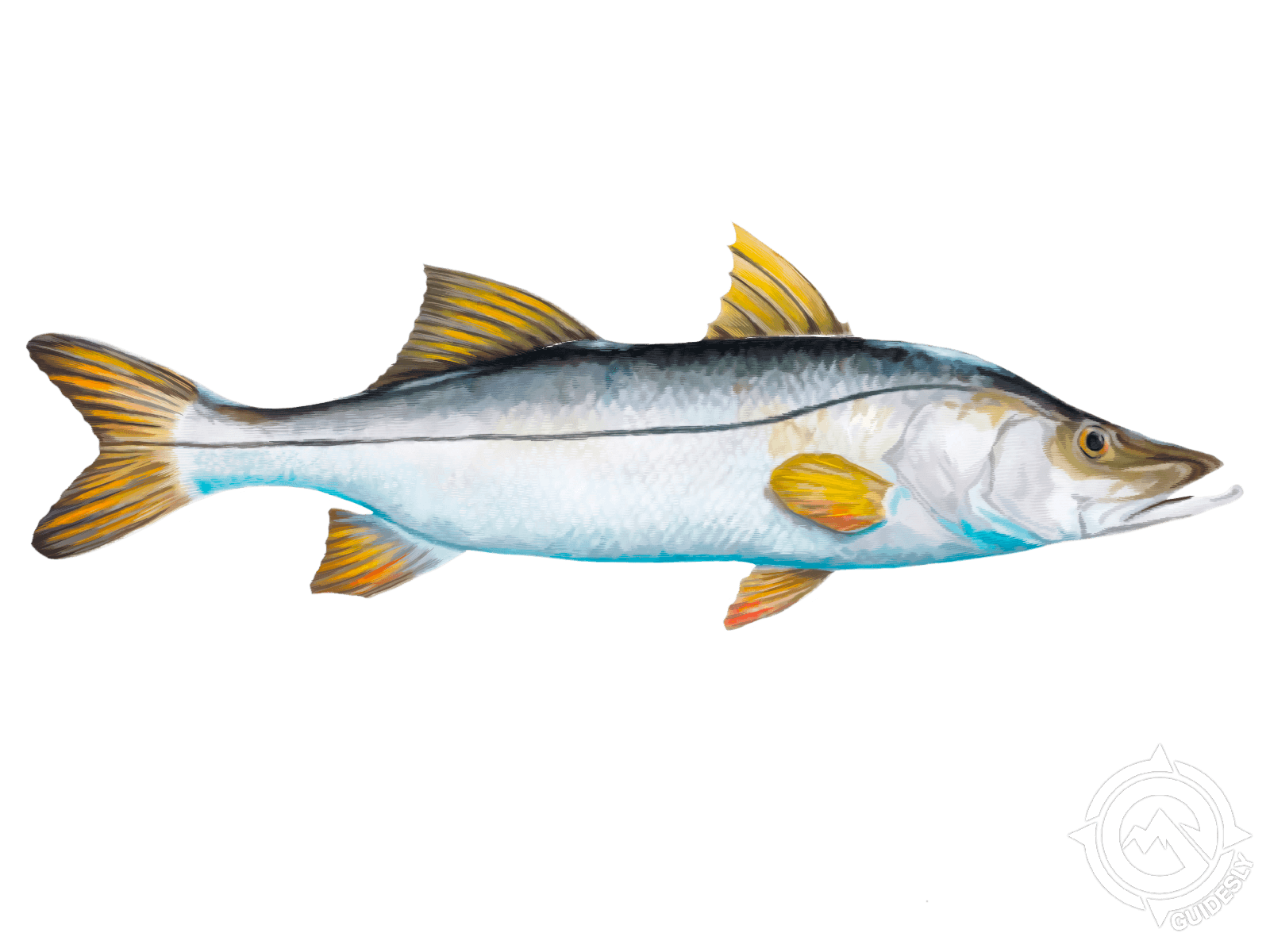
Snook
Snook are Tampa Bay's premier inshore gamefish, running 18-36 inches on average with that distinctive black lateral line and golden coloring. These ambush predators love structure - mangrove shorelines, docks, bridges, and oyster bars in 2-8 feet of water. They're most active during dawn and dusk, especially on moving tides. Spring through fall offers the best action, with spawning activity May through September making them aggressive. What makes snook special is their explosive strikes and bulldogging fight - they'll make powerful runs toward cover trying to cut you off. They're also excellent table fare with firm, white meat. Pro tip: when casting to structure, get your lure right against the cover - snook won't chase far, but they'll hammer anything that looks easy within a few feet of their hideout.
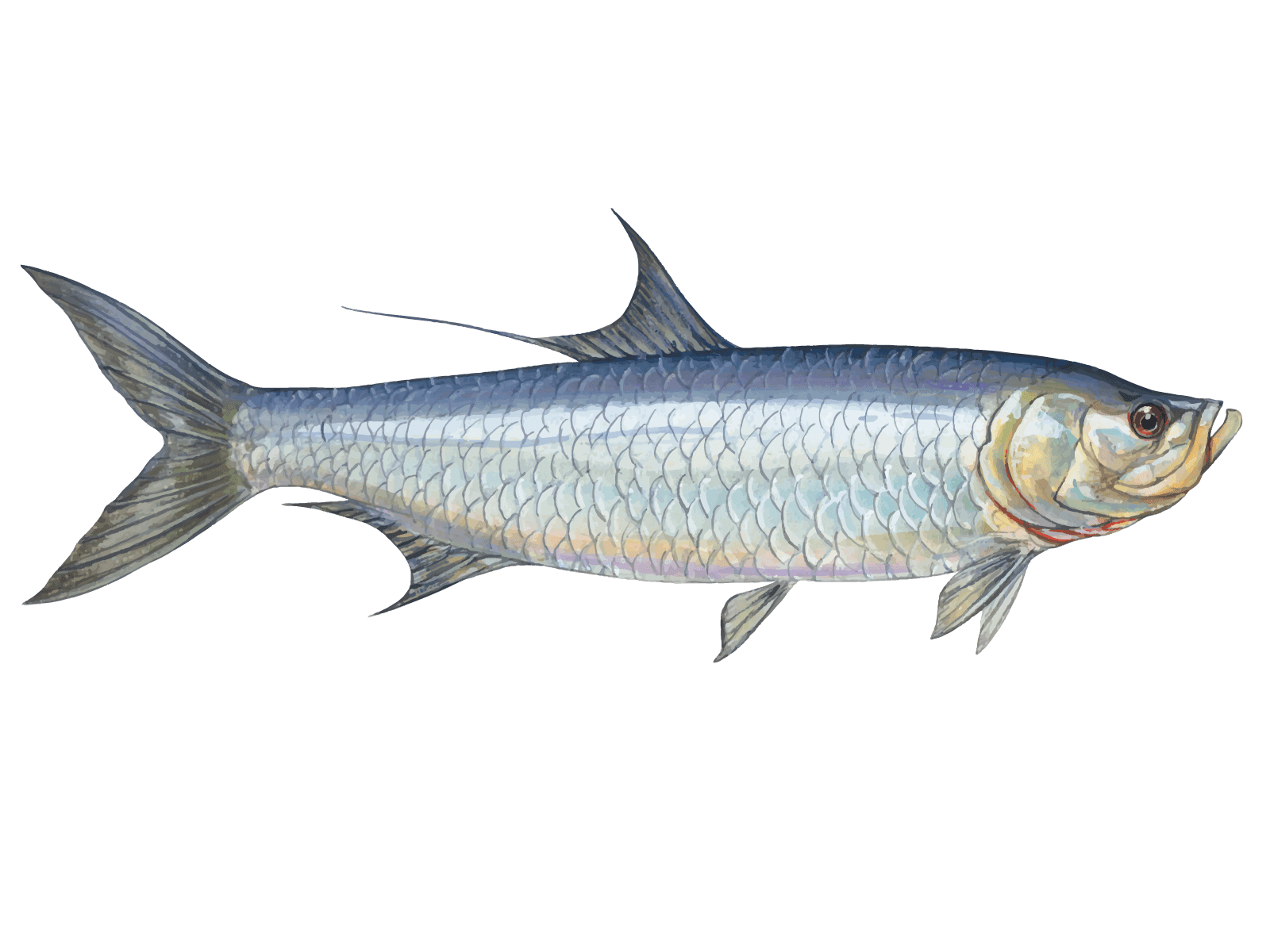
Tarpon
Tarpon are the ultimate test for serious anglers - these silver kings average 80-150 pounds in Tampa Bay but can push 200+. They're seasonal here, showing up May through October in deeper channels, around bridges, and near passes. These prehistoric fish are famous for their acrobatic jumps and blistering runs that can strip hundreds of yards of line. What draws anglers is the pure adrenaline - hooking a tarpon means you're in for a 30-60 minute battle with multiple jumps and direction changes. They're catch-and-release only due to conservation, but landing one is a lifetime memory. The key to success is keeping steady pressure without pulling too hard during jumps - "bow to the king" by dropping your rod tip when they go airborne, or they'll throw the hook every time.
About the Robalo (Center console)
%2F%2Fusers%2F1bda2e26-0b50-4158-baf7-c0179b853f83%2Fboat_picture%2Fboat.jpg&w=1920&q=75)
Vehicle Guest Capacity: 4
Manufacturer Name: Yamaha
Maximum Cruising Speed: 30
Number of Engines: 1
Horsepower per Engine: 300